 Mantra
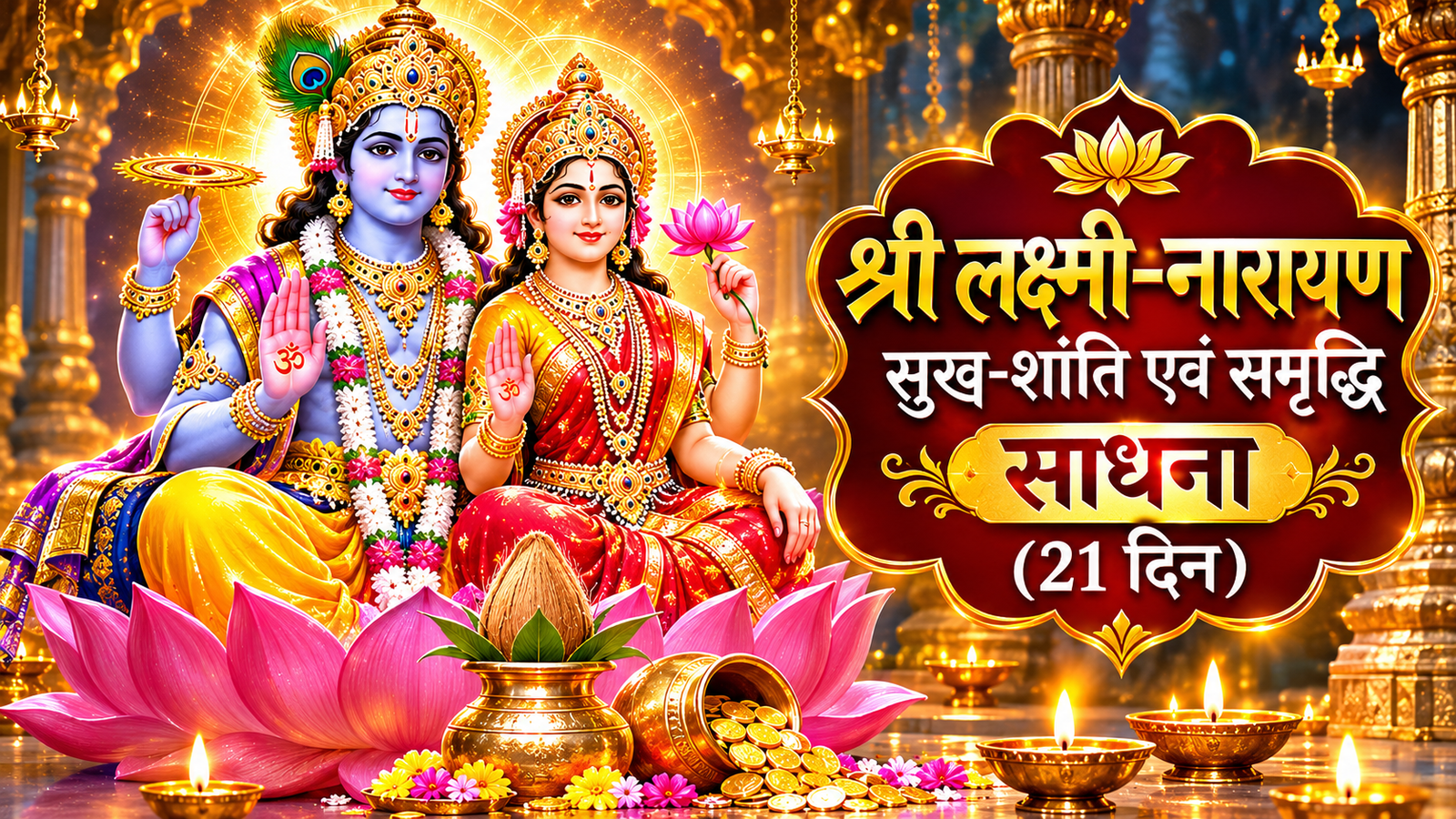
🌺 Lakshmi Narayan Sadhana – Complete 21-Day Guide for Peace, Harmony and Prosperity 🌺
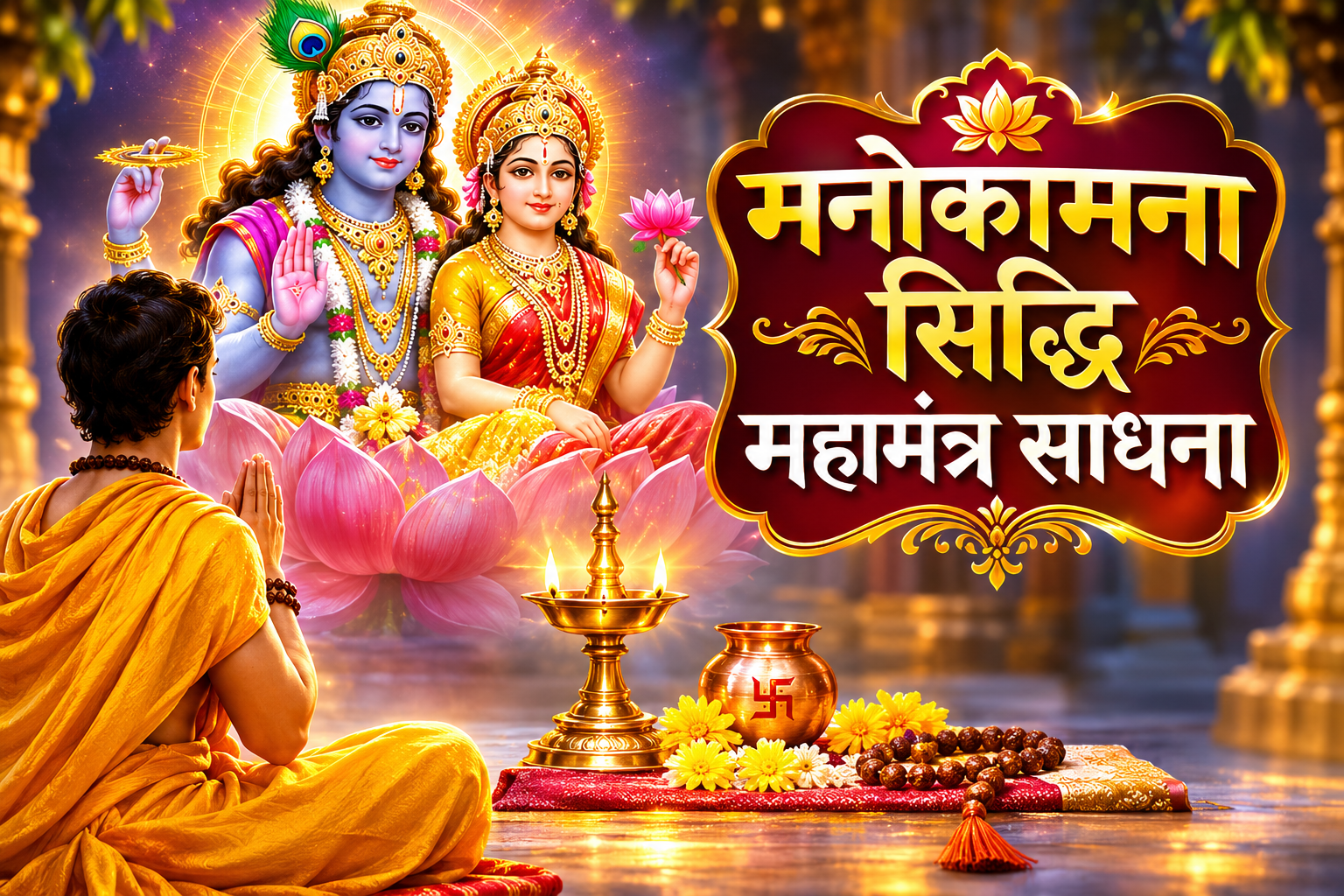
In Hindu devotional traditions, Lord Vishnu and Goddess Lakshmi are worshipped together as Lakshmi Narayan. Lord Vishnu is revered as the preserver of the universe, while Goddess Lakshmi is associated with prosperity, auspiciousness, good fortune and abundance.
Their combined worship represents the importance of balancing material well-being with righteousness, compassion, responsibility and inner harmony.
This guide presents a simple 21-day devotional routine based on mantra chanting, prayer and personal reflection. It is intended for ordinary household worship rather than as a formally prescribed 21-day ritual from a particular ancient scripture.
❖ Spiritual Significance of Lakshmi Narayan
In Vaishnava traditions, Lord Vishnu represents divine preservation, order and righteousness. Goddess Lakshmi is honored as the deity of prosperity, auspiciousness and good fortune.
Their joint worship encourages devotees to view prosperity not merely as wealth but also as a responsibility requiring wisdom, generosity and ethical conduct.
Lakshmi Narayan worship is therefore especially meaningful in household devotional life, where family relationships, work, spiritual values and practical responsibilities are closely connected.
❖ Main Objectives of the Practice
- Express devotion to Lord Vishnu and Goddess Lakshmi.
- Encourage harmony and mutual respect within the family.
- Develop consistency in prayer and daily routines.
- Reflect on responsible financial habits.
- Improve awareness of personal responsibilities.
- Practice patience, gratitude and compassion.
- Seek spiritual guidance through prayer.
❖ Who Can Practice Lakshmi Narayan Sadhana?
This simple devotional routine may be suitable for householders, students, working professionals and other devotees who wish to include regular worship in their daily lives.
- Families seeking a shared devotional practice.
- People interested in prayer and self-discipline.
- Students developing consistent study routines.
- Professionals balancing work and personal responsibilities.
- Devotees of Lord Vishnu and Goddess Lakshmi.
❖ Required Puja Materials
- An image or idol of Lakshmi Narayan.
- A clean yellow, white or comfortable sitting mat.
- A ghee lamp placed safely.
- Yellow or white flowers.
- Clean water.
- Tulsi leaves where appropriate to the family's worship tradition.
- A Tulsi or crystal chanting mala.
- Sandalwood paste or traditional Vaishnava tilak.
- Fruit or a simple vegetarian offering.
- A notebook for daily reflections.
Expensive ritual materials are not required for simple devotional chanting. Cleanliness, sincerity and consistency are more important than elaborate arrangements.
❖ Place, Direction and Time
Place: A clean, peaceful and well-ventilated prayer area at home.
Direction: Facing east or north is considered auspicious in several worship traditions, although personal convenience and family customs may differ.
Time: Morning after bathing or a convenient evening prayer time.
Duration: A chosen 21-day routine.
Traditional occasions: Thursdays and Ekadashi are associated with Vishnu worship in many traditions. Fridays are also associated with Goddess Lakshmi.
There is no need to assume that prayer becomes ineffective outside a particular time.
❖ Main Vishnu Mantra
॥ ॐ नमो भगवते वासुदेवाय ॥
Transliteration: Om Namo Bhagavate Vasudevaya.
Meaning: I offer my respectful salutations to the Supreme Lord Vasudeva.
This is a traditional twelve-syllable Vaishnava mantra, known as the Dvadashakshara Mantra. It appears in the Bhagavata Purana, including Book 4, Chapter 8, Verse 54.
It is a mantra of Lord Vasudeva, associated with Vishnu and Krishna. During joint Lakshmi Narayan worship, devotees may chant it as an expression of devotion to Lord Narayan.
❖ Simple Goddess Lakshmi Mantra
॥ ॐ श्री महालक्ष्म्यै नमः ॥
Transliteration: Om Shri Mahalakshmyai Namah.
Meaning: I offer my respectful salutations to Goddess Mahalakshmi.
Devotees may optionally chant this name-mantra after their Vishnu mantra practice.
❖ Daily Mantra Repetitions
A practitioner may choose five malas daily, traditionally totaling 540 repetitions when using a mala of 108 beads.
However, five malas are not compulsory for ordinary devotional worship. A shorter routine of 11, 27 or 108 repetitions may be more practical.
Chant at a comfortable pace, with attention to pronunciation and devotional intention. Avoid physical strain or rushing simply to complete a number.
❖ Complete Step-by-Step Lakshmi Narayan Puja Method
🌼 Step 1: Prepare Yourself and the Prayer Area
Bathe or wash as appropriate, wear clean clothes and prepare a tidy prayer space. Place the image or idol of Lakshmi Narayan respectfully.
🌼 Step 2: Light the Lamp and Offer Flowers
Light a ghee lamp safely and offer flowers, water or a simple devotional offering according to family tradition.
🌼 Step 3: Sit Comfortably
Sit on your chosen mat and spend approximately two minutes breathing naturally. There is no need for forced breathing or breath retention.
🌼 Step 4: Make a Personal Intention
Offer a prayer for wisdom, family harmony, responsible action and the ability to perform your duties sincerely.
🌼 Step 5: Chant the Main Mantra
Chant the chosen number of repetitions of the following mantra:
॥ ॐ नमो भगवते वासुदेवाय ॥
🌼 Step 6: Remember Goddess Lakshmi
Offer salutations to Goddess Lakshmi. If desired, repeat her simple name-mantra 11 or 21 times.
🌼 Step 7: Practice Quiet Reflection
After chanting, sit quietly for three to five minutes. Consider one constructive action you can take in your family, professional or financial life.
🌼 Step 8: Complete the Prayer
Offer gratitude to Lord Vishnu and Goddess Lakshmi. Pray for the well-being of your family and all living beings.
❖ A Practical 21-Day Worship Schedule
🌺 Days 1–3: Establishing Consistency
Choose a suitable prayer time, learn the mantra and begin recording your daily practice. Focus on consistency rather than expecting immediate results.
🌺 Days 4–7: Family Harmony
Reflect on patience, respectful communication and kindness toward family members. Try to carry the values of prayer into everyday relationships.
🌺 Days 8–11: Financial Responsibility
Review your household budget, savings habits and unnecessary expenses. Consider practical ways to improve financial discipline.
🌺 Days 12–15: Work and Concentration
Identify important academic, professional or household responsibilities. Set realistic goals and make steady progress through practical action.
🌺 Days 16–18: Gratitude and Service
Reflect on the support you receive from others. Consider helping someone in need or performing a small act of kindness.
🌺 Days 19–21: Completion and Reflection
Review the routine and consider whether you have become more consistent, patient or responsible. Complete the chosen period with a simple prayer of gratitude.
The 21-day schedule is a devotional planning framework, not a scientifically established timeline for obtaining spiritual powers or financial success.
❖ Possible Personal Experiences
Experiences vary from person to person. Some devotees may report:
- A feeling of calm during prayer.
- Greater awareness of distracting thoughts.
- Personal satisfaction from completing a routine.
- Stronger feelings of gratitude and devotion.
- Meaningful time spent praying with family members.
Such experiences are not guaranteed and should not be treated as evidence of supernatural outcomes.
❖ Are Frightening Experiences Expected?
This simple devotional practice does not include rituals intended to induce fear or unusual experiences.
Nightmares, strange sounds or unusual perceptions are not necessary signs of spiritual progress.
If distressing experiences persist or interfere with sleep or daily functioning, consider speaking with a qualified healthcare professional.
❖ Traditional and Practical Benefits
- Expressing devotion to Lord Vishnu and Goddess Lakshmi.
- Encouragement to value family harmony.
- Opportunities for quiet reflection and regular prayer.
- Greater attention to discipline and responsibility.
- Motivation to practice generosity and compassion.
- Awareness of the relationship between prosperity and ethical conduct.
- Personal spiritual satisfaction.
The practice cannot guarantee wealth, employment, business growth, recovery from illness or the resolution of family difficulties.
❖ Five Positive Habits to Practice
- Honesty: Be truthful in speech and action.
- Self-control: Reduce unnecessary arguments and impulsive spending.
- Gratitude: Appreciate the people and opportunities in your life.
- Service: Help others whenever reasonably possible.
- Responsibility: Continue fulfilling family, work and financial obligations.
❖ Important Precautions
- Keep lamps away from curtains and flammable materials.
- Do not force yourself to sit for long periods if uncomfortable.
- Avoid extreme fasting or sleep deprivation.
- Do not become anxious if you miss a day.
- Do not make risky financial decisions based on promised spiritual rewards.
- Continue appropriate medical treatment when needed.
- Respect different family members' religious choices.
- For specialized lineage-specific rituals, seek appropriate traditional guidance.
❖ Frequently Asked Questions
❖ How long is Lakshmi Narayan Sadhana?
This guide describes a 21-day routine. Ordinary devotional worship can continue for any duration.
❖ Can both men and women perform this worship?
Yes. General devotional worship can be practiced by devotees according to their personal and family traditions.
❖ Can I practice for only 11 days?
Yes. An 11-day routine may also be chosen. There is no universal evidence that spiritual results occur only after 21 days.
❖ Are five malas compulsory?
No. Five malas are an optional personal commitment. Shorter chanting sessions are also possible.
❖ Is a guru necessary?
Simple devotional prayer and name-chanting may be practiced independently. Formal initiation practices should follow the relevant tradition.
❖ Does this practice guarantee wealth?
No. Goddess Lakshmi is traditionally associated with prosperity, but financial well-being also requires responsible decisions, planning and practical effort.
❖ Is morning worship compulsory?
No. Morning worship is common, but a convenient evening prayer time may also be suitable.
❖ Can the entire family participate?
Yes. Family members who wish to participate may share in a simple prayer routine.
❖ Closing Prayer to Lakshmi Narayan
O Goddess Mahalakshmi and Lord Narayan,
Inspire wisdom and righteousness in our lives.
May peace and mutual respect flourish in our home.
Guide us toward responsible work and honest prosperity.
May gratitude, compassion and generosity remain in our hearts.
We offer our respectful salutations to you.
❖ Conclusion
Lakshmi Narayan Sadhana is a devotional approach to worshipping Lord Vishnu and Goddess Lakshmi while reflecting on harmony, responsibility and ethical prosperity.
A 21-day routine can provide a structured opportunity for prayer and self-reflection. Practical action, sound judgment and responsible behavior remain essential parts of daily life.
॥ ॐ श्री लक्ष्मी–नारायणाभ्यां नमः ॥
Disclaimer: This article is intended for religious, cultural and educational purposes. The 21-day routine is a suggested devotional framework and does not guarantee financial, medical or supernatural outcomes.