 Mantra
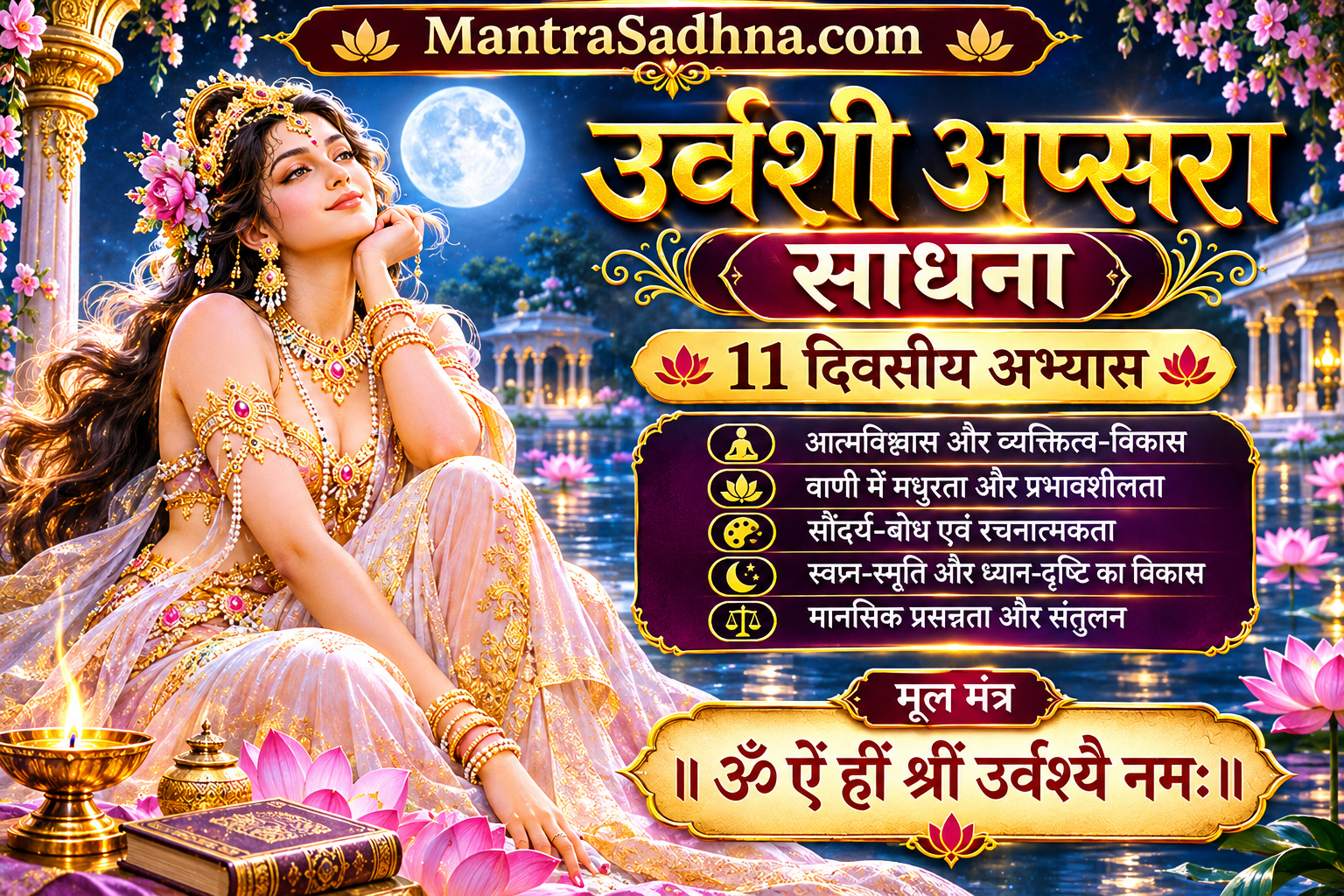
Urvashi Apsara Sadhana – Complete 11-Day Guide to Beauty, Creativity, Mantra and Dream Awareness
Urvashi is one of the most celebrated apsaras in Indian literary and mythological traditions. Associated with celestial beauty, artistic expression and the emotional complexity of love, she appears in early Sanskrit literature and later classical works.
This article presents an 11-day Urvashi-inspired devotional meditation routine focused on self-confidence, creative expression, mindful awareness and personal reflection. It is not a ritual intended to summon a supernatural being or influence another person's free will.
1. Who Is Urvashi in Hindu Tradition?
Urvashi is a prominent celestial apsara associated with beauty, dance and refined artistic expression. Her story with Pururavas appears in the Rigveda and is developed in later Sanskrit literary traditions.
The classical Sanskrit playwright Kalidasa also explored her story in the drama Vikramorvashiyam. Through these narratives, Urvashi became an important literary symbol of love, longing, beauty and emotional sensitivity.
For a modern symbolic meditation practice, Urvashi can represent creativity, elegance, self-respect and thoughtful emotional expression.
2. Main Purpose of Urvashi Sadhana
- Develop a healthier sense of self-confidence.
- Encourage gentle and respectful communication.
- Make time for music, writing and artistic creativity.
- Practice concentration and mindful reflection.
- Explore dream recall through personal journaling.
- Improve awareness of personal emotions and behavior.
The word attraction is used here to describe positive personal qualities rather than control over another person's feelings or decisions.
3. Who May Practice This Routine?
This gentle practice may appeal to artists, students, writers, speakers and people interested in symbolic meditation and self-development.
It is not intended for anyone seeking guaranteed supernatural visions, coercive attraction or magical control over another person.
4. Suggested Materials
- A peaceful devotional image or a simple symbolic light.
- A clean white or light pink meditation mat.
- A ghee lamp, used only when safe.
- White or pink flowers, optional.
- A crystal or ordinary chanting mala.
- A mild fragrance, if comfortable.
- A notebook for reflection and dream journaling.
These items are optional aids for creating a calm environment. They have no established supernatural effects.
5. Place, Direction and Time
Place: A quiet, clean and comfortable room.
Direction: East or northeast may be chosen according to personal devotional preference, but no direction is mandatory.
Time: A peaceful evening period, such as 9:30–11:00 PM, provided it does not interfere with adequate sleep.
Duration: An introductory 11-day routine, optionally extended to 21 days.
6. Suggested Urvashi Mantra
॥ ॐ ऐं ह्रीं श्रीं उर्वश्यै नमः ॥
Om Aim Hreem Shreem Urvashyai Namah
This mantra form is presented as part of the suggested devotional routine. Its authenticity as a specific ancient scripture-prescribed Urvashi mantra has not been established here.
7. Daily Chanting Count
- One mala: 108 repetitions.
- Three malas daily: 324 repetitions.
- Eleven days: 3,564 repetitions.
- Twenty-one days: 6,804 repetitions.
The numbers provide structure rather than a guarantee of siddhi or extraordinary experiences. Beginners may use a shorter, manageable session.
8. Complete Step-by-Step Practice
Step 1 – Prepare Your Space
Choose a quiet room, wear comfortable clean clothing and reduce unnecessary distractions.
Step 2 – Begin with a Peaceful Intention
If desired, light a lamp in a safe place. Set an intention to cultivate kindness, confidence, creativity and respect for others.
Step 3 – Settle Your Breathing
Observe your natural breathing for approximately two minutes. Avoid forced breathing or prolonged breath-holding.
Step 4 – Chant the Mantra
Repeat the chosen mantra softly or mentally. Use a mala if helpful. When distracted, gently return your attention to the chant.
Step 5 – Practice Symbolic Visualization
After chanting, spend five to seven minutes imagining a gentle, peaceful light. Associate it with creativity, dignity and inner calm.
Step 6 – Reflect on Your Behavior
Consider how you communicated with others during the day and identify one practical improvement for tomorrow.
Step 7 – Complete the Session
Finish calmly and record any useful observations in a notebook.
9. Urvashi-Inspired Visualization Meditation
The central visualization uses Urvashi as a symbolic representation of artistic beauty and refined emotional awareness.
- Sit comfortably and close your eyes.
- Imagine a peaceful garden, lotus pond or soft golden light.
- If comfortable, visualize a distant, serene feminine figure as a symbolic mental image.
- Do not attempt to communicate with, summon or physically encounter the figure.
- Focus instead on kindness, self-respect and creative inspiration.
- Return your attention to your surroundings before ending.
Images experienced during visualization are mental imagery, not evidence of an external supernatural presence.
10. Dream Awareness and Dream Journaling
Dreams are mental experiences that occur during sleep. Personal memories, emotions, imagination and daily activities may influence their content.
Keeping a dream journal may help some people remember dreams more consistently. It does not guarantee dreams involving Urvashi or any particular image.
How to Keep a Dream Journal
- Maintain a regular sleep schedule.
- Keep a notebook near your bed.
- Write down dreams soon after waking.
- Record emotions and personal associations.
- Avoid interpreting every dream as a prediction or supernatural message.
11. Suggested 11-Day Practice Schedule
Day 1: Set a personal intention and begin meditation.
Day 2: Establish a comfortable chanting routine.
Day 3: Reflect on confidence and self-image.
Day 4: Practice thoughtful and respectful conversation.
Day 5: Spend time on music, art or writing.
Day 6: Record emotions and personal reflections.
Day 7: Review the first week of practice.
Day 8: Develop positive and realistic self-talk.
Day 9: Focus on patience and emotional awareness.
Day 10: Review your meditation and dream journal.
Day 11: Evaluate the routine and decide whether to continue.
12. Possible Personal Experiences
Some practitioners may notice a calmer meditation session, greater awareness of emotions, renewed interest in creative activities or improved recall of ordinary dreams.
These experiences vary from person to person and are not guaranteed outcomes.
13. Can Uncomfortable Experiences Occur?
Although this is a gentle routine, meditation and visualization can occasionally feel uncomfortable. If anxiety, distressing imagery or sleep disruption occurs, stop the practice and return to ordinary activities.
Seek professional guidance if distress persists or if troubling perceptions occur while fully awake.
14. Beauty and Attraction in Everyday Life
Positive personal presence can be developed through practical habits:
- Good hygiene and personal care.
- Respectful listening.
- Clear and kind communication.
- Confidence without arrogance.
- Creative interests and personal development.
- Respect for consent and personal boundaries.
15. Eleven, Twenty-One and Forty-One Days
11 days: A suggested introductory period for establishing a regular routine.
21 days: An optional extension for people who find the practice meaningful.
41 days: A longer personal routine, provided it remains comfortable and does not interfere with sleep, health or responsibilities.
These durations are not presented as authenticated scriptural requirements. Missing a day does not create a supernatural danger.
16. Important Precautions
- Do not use the practice to attempt control over another person's choices.
- Do not expect physical manifestations of a celestial being.
- Protect your sleep schedule.
- Never leave a burning lamp unattended.
- Stop if meditation causes distress.
- Avoid forcing dreams, visions or unusual experiences.
- Do not replace professional medical or mental health care with this practice.
17. Frequently Asked Questions
Q1. What is Urvashi Apsara Sadhana?
In this guide, it is a proposed symbolic devotional routine inspired by Urvashi's cultural association with beauty, creativity and artistic expression.
Q2. Can Urvashi appear physically during meditation?
There is no reliable evidence that this routine can cause a celestial being to appear physically. Mental images and dreams should not be confused with external events.
Q3. What mantra is used?
The suggested mantra is Om Aim Hreem Shreem Urvashyai Namah. It is not presented here as a verified ancient scripture-prescribed formula.
Q4. How many repetitions are suggested?
Three malas, or 324 repetitions daily, are suggested. This count is optional.
Q5. Is this a vashikaran practice?
No. The routine is not intended to influence or override another person's free will.
Q6. Can women practice it?
Yes. This general meditation and reflection routine is not restricted by gender.
Q7. Is a guru required?
A guru is not required for ordinary meditation and simple personal devotional chanting. Formal tantric initiation is a separate matter that may require qualified traditional guidance.
Q8. Can dreams of Urvashi occur?
Dreams may contain images influenced by imagination and personal interests, but no particular dream can be guaranteed or verified as a supernatural encounter.
Q9. Is eleven days enough?
Eleven days completes the introductory routine described here. Participants may continue for 21 days if they wish.
Q10. What if I miss a day?
Simply resume when convenient. There is no reason to fear negative consequences.
18. Final Guidance
Urvashi-inspired meditation is best approached as a symbolic practice encouraging creativity, thoughtful communication, personal dignity and emotional awareness.
Spiritual reflection may be meaningful, but practical self-care, healthy sleep, artistic effort and respectful relationships remain essential for personal growth.
Lasting personal appeal is developed through character, confidence, empathy and consistent action rather than supernatural promises.
॥ सर्वे भवन्तु सुखिनः ॥
Disclaimer: This article is provided for cultural, educational and voluntary meditation purposes. The described mantra, duration and procedure are not claimed to be a historically authenticated Urvashi siddhi ritual. Individual experiences vary.