 Mantra
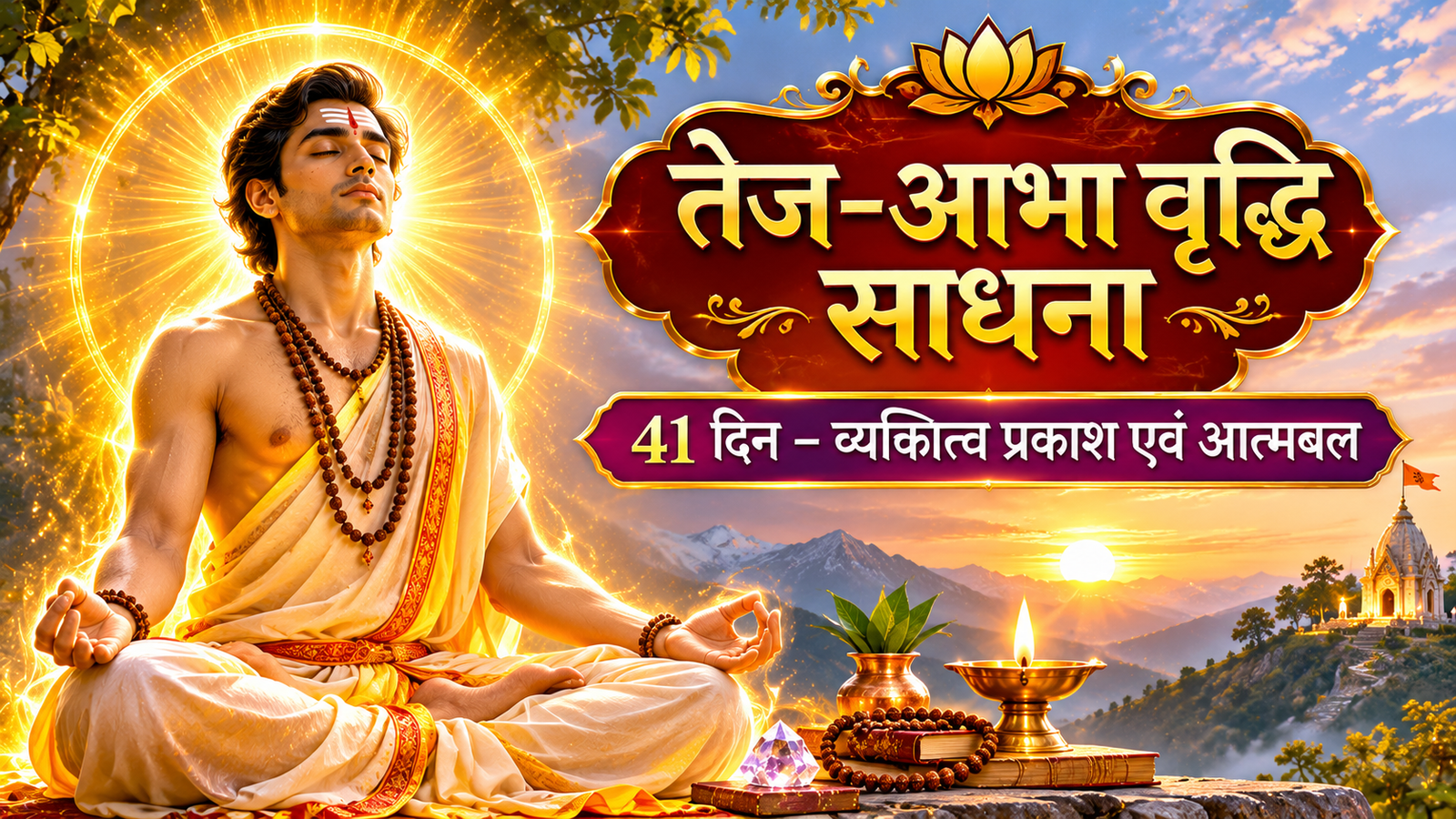
Tej and Aura Enhancement Sadhana – Complete 41-Day Mantra, Meditation, Benefits and Precautions
❖ Introduction
In Hindu spiritual and yogic traditions, concepts such as Tej, Ojas, inner strength, and spiritual radiance are associated with discipline, courage, self-control, and personal character.
A radiant personality is not defined only by physical appearance. Confidence, humility, clear communication, calm behavior, and responsible conduct also contribute to how a person is perceived.
This 41-day practice, presented as Tej and Aura Enhancement Sadhana, combines simple devotional remembrance, gentle meditation, personal reflection, and practical self-development habits.
Its purpose is to encourage confidence, emotional balance, discipline, and positive conduct.
Important: This is a suggested devotional and self-development routine. It has not been established here as an authenticated ancient ritual that guarantees spiritual powers or physical transformation.
❖ What Do Tej and Aura Mean?
The Sanskrit word Tej, related to Tejas, can refer to brilliance, light, strength, or radiance depending on the context.
In spiritual literature, such language may symbolize courage, wisdom, self-discipline, and the strength of one's character.
An aura is sometimes described in spiritual traditions as a subtle field or symbolic glow surrounding a person.
Religious paintings frequently portray deities and saints with luminous halos to represent sacredness and divine presence.
However, the existence or expansion of an invisible spiritual aura has not been established by reliable scientific evidence.
In this guide, inner radiance is primarily understood as a symbolic expression of confidence, personal dignity, and positive behavior.
❖ Main Objectives of the Practice
- Develop self-confidence.
- Build a consistent meditation habit.
- Encourage emotional balance.
- Improve awareness of personal behavior.
- Practice patience and self-control.
- Develop respectful communication.
- Strengthen personal discipline.
- Reflect on ethical conduct and responsibility.
❖ Who May Find This Practice Useful?
This routine may appeal to adults who wish to:
- Develop a regular spiritual practice.
- Reflect on their confidence and communication.
- Become more patient in difficult situations.
- Improve consistency in daily habits.
- Explore gentle meditation and devotional reflection.
- Work toward a balanced and respectful personality.
Persistent fatigue, unusual paleness, weakness, or significant mood changes should not be attributed solely to a lack of spiritual radiance. Such symptoms may have medical causes.
❖ Materials Required
- A clean and comfortable meditation mat.
- An optional image of Lord Surya or Lord Shiva.
- A quiet worship area.
- A small oil or ghee lamp, if safe.
- Optional sandalwood paste.
- A rudraksha or crystal mala, if desired.
- A small container of clean water.
- A notebook for personal reflection.
Expensive materials and specialized ritual objects are not necessary.
❖ Best Time, Direction and Duration
Time: Morning or evening, according to convenience.
Place: A clean, peaceful, and safe room.
Direction: Facing east or north may be a personal religious preference, but is not mandatory for this routine.
Duration: A suggested 41-day program.
Daily Practice: Approximately 10–20 minutes.
If you wish to include the symbolism of sunlight, visualize gentle sunlight rather than staring directly at the sun. Direct sun-gazing can damage the eyes.
❖ Proposed Tej Sadhana Mantra
॥ ॐ तेजसे नमः ॥
Om Tejase Namah
This is a proposed Sanskrit-style devotional salutation centered on the idea of radiance and brilliance.
Its general meaning is a respectful salutation to radiance, light, and illuminating qualities.
The mantra is not presented here as an authenticated ancient root mantra or a formula guaranteeing spiritual siddhi.
Devotees who follow established traditions of Surya or Shiva worship may instead use verified prayers from their own lineage.
❖ Suggested Chanting Count
- Beginners: 11 or 21 repetitions.
- Regular practitioners: 108 repetitions, if comfortable.
- Additional chanting: Optional.
- After chanting: 3–5 minutes of quiet reflection.
Five or eleven malas are not mandatory. There is no reliable evidence that a particular repetition count expands an invisible aura or guarantees personality changes.
❖ Devotional Sankalpa
Before beginning, you may offer this intention:
"May this practice inspire me to develop wisdom, confidence, patience, humility, and self-discipline. May I express these qualities through my thoughts, words, and actions."
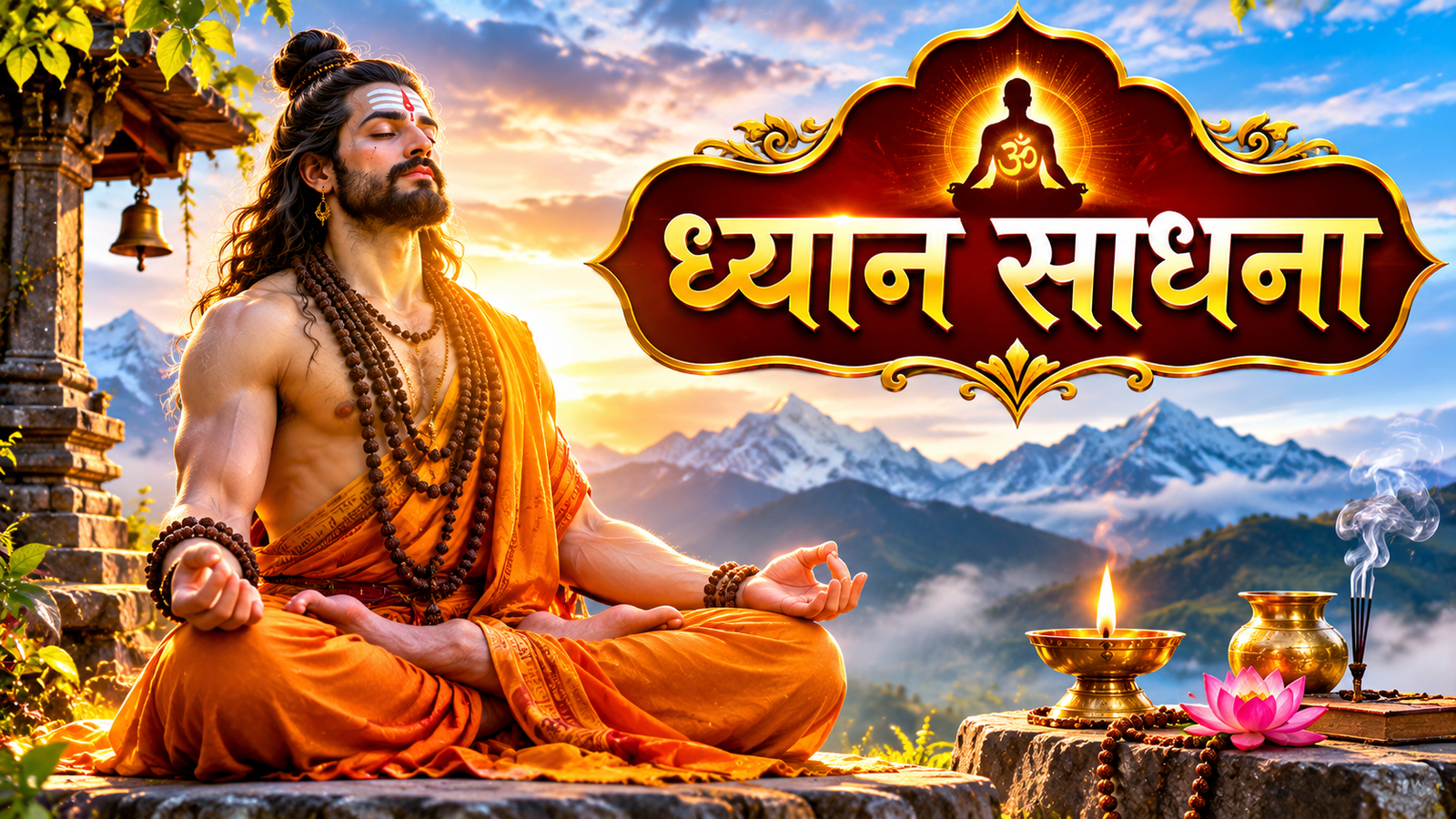
❖ Complete Step-by-Step Sadhana Method
Step 1 – Prepare Yourself
Wash appropriately, wear clean clothing, and prepare a comfortable meditation space.
Step 2 – Sit Comfortably
Choose a relaxed position. Keep your posture comfortable rather than forcing yourself to sit rigidly.
Step 3 – Offer a Prayer
If you wish, remember Lord Surya, Lord Shiva, or your chosen deity.
A traditional lamp may be used only when it can be handled safely.
Step 4 – Observe Your Breathing
Spend a few minutes noticing your natural breathing.
There is no need for forceful breathing, breath retention, or advanced pranayama.
Step 5 – Repeat the Mantra
Om Tejase Namah
Repeat the mantra gently and without pressure.
Step 6 – Practice Golden Light Visualization
Close your eyes and imagine a gentle golden light near your heart.
Allow the imagined light to symbolize confidence, peace, compassion, and self-control.
Reflect on how these qualities might influence your everyday behavior.
This is a visualization exercise, not evidence of physical energy spreading through the body.
Step 7 – Repeat Positive Intentions
- I will communicate with confidence and respect.
- I will respond to difficulties with patience.
- I will act with honesty and responsibility.
Step 8 – Conclude the Practice
Sit quietly for a few moments and end with a short prayer.
Extinguish any flame safely before leaving the worship area.
❖ Complete 41-Day Practice Schedule
Days 1–7: Establish Consistency
Begin with 5–10 minutes of meditation and devotional reflection. Record your experiences in a journal.
Days 8–14: Develop Confidence
Alongside meditation, practice one small confidence-building action each day, such as speaking clearly during a conversation.
Days 15–21: Improve Communication
Pay attention to tone, patience, and respectful language. Practice responding thoughtfully rather than impulsively.
Days 22–28: Focus on Personal Conduct
Reflect on punctuality, responsibility, cleanliness, and consideration for others.
Days 29–35: Strengthen Emotional Balance
Continue your routine and practice pausing before reacting during stressful situations.
Days 36–40: Review Your Progress
Read your journal and identify habits that have improved as well as areas requiring further attention.
Day 41: Complete the Routine
Offer a closing prayer, review your experiences, and set realistic personal development goals.
Completing 41 days does not guarantee supernatural powers, visible physical radiance, or a particular personality transformation.
❖ Possible Experiences
- Developing a regular meditation habit.
- Becoming more aware of thoughts and reactions.
- Feeling calmer in some situations.
- Noticing small improvements in self-discipline.
- Feeling more comfortable with certain social interactions.
- Experiencing occasional distraction or restlessness during meditation.
Individual experiences vary. They should not be interpreted as proof of supernatural energy or spiritual siddhi.
❖ Practical Ways to Develop a Radiant Personality
Alongside devotional practice, everyday habits can support confidence and personal well-being.
- Sleep: Maintain sufficient and regular sleep.
- Nutrition: Eat a balanced diet.
- Hydration: Drink adequate water.
- Physical Activity: Stay active according to your abilities.
- Personal Care: Maintain hygiene and appropriate skin care.
- Communication: Speak clearly and respectfully.
- Confidence: Set achievable goals.
- Discipline: Follow through on responsibilities.
The appearance of skin and facial complexion depends on many biological and environmental factors. It should not be attributed solely to spiritual practices.
❖ Does Aura Meditation Expand Spiritual Energy?
In spiritual art and religious symbolism, an aura or halo represents light, sacredness, and inner radiance.
Some individuals describe personal experiences of warmth, light, or energy during meditation.
However, there is no reliable scientific evidence establishing that meditation expands an invisible supernatural aura.
In this practice, aura enhancement is best understood symbolically as the development of confidence, calmness, positive conduct, and personal dignity.
❖ What to Do After Completing 41 Days
After completing the program, you may continue a short devotional or meditation routine two or three days per week.
Maintain healthy sleep, physical activity, personal reflection, and positive communication habits.
There is no verified requirement to chant a specific number of malas to preserve an invisible aura.
❖ Important Safety Precautions
- Do not use this practice as a substitute for medical treatment.
- Never stare directly at the sun.
- Avoid forceful breathing or prolonged breath retention.
- Never leave a burning lamp unattended.
- Do not maintain painful meditation postures.
- Avoid pressuring yourself to achieve rapid results.
- Do not confuse confidence with arrogance or control over others.
- Do not ignore persistent fatigue, weakness, or emotional distress.
- Pause the practice if it causes discomfort.
❖ Is a Guru Necessary?
Ordinary prayer, gentle meditation, and personal reflection do not universally require formal Tantric initiation.
However, specialized initiation-based mantras or complex rituals should be learned according to the requirements of the relevant religious tradition.
❖ Frequently Asked Questions (FAQ)
1. What is Tej and Aura Enhancement Sadhana?
In this guide, it is a suggested 41-day routine combining devotional reflection, mantra remembrance, meditation, and positive personal development.
2. What is the mantra for this practice?
The proposed devotional salutation is "Om Tejase Namah." It is not presented as an authenticated ancient siddhi mantra.
3. Can this practice improve confidence?
Meditation, self-reflection, and practical confidence-building habits may help some individuals work toward greater confidence. Results vary.
4. Can it improve facial glow?
There is no reliable evidence that this mantra directly changes skin appearance. Sleep, nutrition, health, and skin care are important factors.
5. Does a 41-day practice expand the aura?
The expansion of an invisible spiritual aura has not been scientifically established.
6. Is morning practice compulsory?
No. Morning or evening may be chosen according to personal convenience.
7. Are five or eleven malas necessary?
No. A short devotional routine may be sufficient for personal reflection.
8. Can beginners practice without a guru?
Simple prayer and gentle meditation do not universally require formal initiation. Specialized rituals may have different requirements.
9. Can students follow this routine?
Students may use age-appropriate short reflection exercises, provided they do not interfere with sleep, study, or health.
10. Is brahmacharya compulsory?
There is no universal strict brahmacharya requirement for ordinary meditation and prayer. Specific religious traditions may have their own rules.
11. Can this practice make someone more influential?
Clear communication, confidence, reliability, and respectful behavior can support positive social interactions. Mantra chanting has not been shown to control other people's responses.
12. Is the practice completely safe?
Gentle meditation and prayer are generally low-risk for many healthy adults, but no practice is entirely risk-free. Stop if discomfort or distress occurs.
13. Should chanting continue after 41 days?
Continuing a short devotional practice is optional and depends on personal preference.
14. Does spiritual radiance mean physical beauty?
Not necessarily. In spiritual contexts, radiance may symbolize character, wisdom, confidence, and self-discipline.
❖ Conclusion
Tej and Aura Enhancement Sadhana, as presented here, is a 41-day devotional and self-development routine designed around reflection, confidence, meditation, and responsible behavior.
Its purpose is not to promise supernatural powers or guaranteed changes in physical appearance.
Instead, it encourages individuals to cultivate self-awareness, discipline, humility, and positive personal qualities.
Spiritual devotion can be approached alongside healthy habits, realistic goals, and practical judgment.
May Inner Strength, Wisdom and Peace Guide Your Journey.
Disclaimer: This article provides general religious, cultural, and spiritual information. The proposed mantra and 41-day routine are not presented as authenticated ancient ritual instructions. Claims about invisible aura expansion, miraculous personality changes, or guaranteed outcomes are not scientifically established. This content is not a substitute for professional medical or mental health advice.